
The Dark Side of Leadership
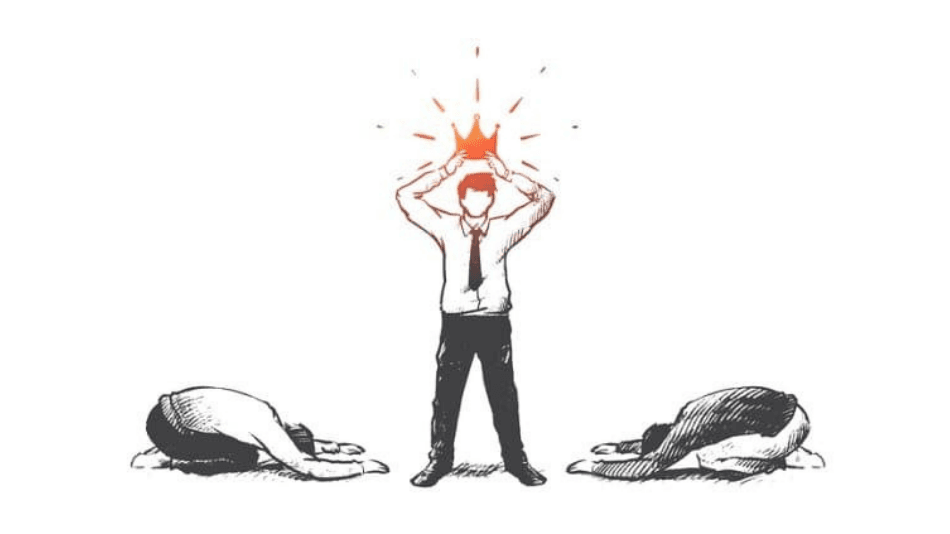
“Are you in office?” “Yes, I am”. “Then send me the picture of yourself in office on whatsapp right now”!!!
These are not the dialogues from any English or Hindi movie along the lines of Horrible Bosses. This is a real-life account of an employee who left a secure job to join a start-up. In his words – “The owner-founders were super smart, ambitious and driven. But they had huge trust issues and behaved like absolute jerks!”
This is an irony, because employees join start-ups knowing that they will sacrifice security, a comfortable pay structure (at least to begin with) and any semblance of work-life life balance in the pursuit of being part of a dream that they have a chance to build and be part of. They come with energy, enthusiasm and creativity. And yet I have met multiple employees working in startups who recount stories of how quickly they lost interest, energy and became embittered by what seemed to be a very toxic culture. And the sad part is, a lot of the toxicity is in part, created or tolerated by the owner-founders.
For years now, we have known that leaders cast a long shadow on the organizational culture. Leaders will be emulated, and their behavior will be copied. We all hear of the smart, high-performing boss who made the lives of her reportees miserable because of low tolerance for mistakes, or the darling of the corporate headquarters who threw papers in the face of his subordinates.
Why is it that these leaders behave the way they do? And what can organizations do to help them and manage their organizational cultures? A psychoanalytical approach to leadership (written and researched extensively by Dr. Manfred Kets De Vries) suggests:
We all have a dark side and the best of us have patterns of irrational behavior and “blind spots” – which we don’t know and often don’t want to know about. But others see them and suffer them. However, organizations tend to focus primarily on performance in metrics along the line of growth, revenues, profits etc. Often turning a blind eye to unacceptable and damaging behavior. Because we cannot measure and specifically correlate low employee engagement with leadership behaviors – these behaviors go unacknowledged and unchecked. And hopeful heirs pick it up, thinking this is the way to succeed.
Nothing is more central to the way we are than the manner in which we regulate and express emotions. Emotions color experiences with positive and negative associations, guide our choices and powerfully dictate how we deal with the world. Emotions also form the basis of the internal maps we make of our relationships and how we navigate them in our personal and professional life. These maps may change over a period of time but often the lonely leader has no coping mechanism or any help to make sense of the “inner theater” and the drama that is happening within.
Human development is an inter- and intrapersonal process. We are all products of our past experiences, which create powerful maps and scripts that we project on all our situations – even if those re-enactments are no longer appropriate. But the leader has no way of even recognizing these, let alone knowing how to manage them.
All leaders carry a huge anxiety and fear of failure. But start-up founders carry a burden of anxiety can often be derailing.
So, what can organization do about this? How can organizations help leaders cope better with their anxieties while ensuring that the culture is not held hostage by the fears of the leaders.
In our work with leaders, start-ups and communities, we find the following strategies seem to have some impact:
- Diagnose – Helping leaders to diagnose their anxieties and have an objective view of the point at which these anxieties no longer fuel energy and drive but become dysfunctional. This can be done through traditional feedback mechanisms (such as 360 assessments) but also introspective and intra-personal exercises (led by a facilitator or coach)
- Develop – Once the core patterns of anxiety, fears and irrational beliefs are identified, working with a coach who can help the leaders to become aware and create coping mechanisms can help. These mechanisms will not fundamentally change the emotional infrastructure of the leaders, but this process helps them to manage their emotions better and not become subject to them.
- De-risk – Sometimes the best and smartest of leaders have anxieties and fears that are so overpowering, that the impact will spill over to the team and the organization, no matter what. In such situations, we can de-risk the next level of leadership and the culture, by creating succession plans, two-in-box leadership role planning as well as working with multiple layers of the organization to help understand – what’s happening and how we can rise above it.
If you have seen something like this or have seen leaders and organizations create mechanisms, that may help the situation, let us know. Write to shweta@odalternatives.com

Shweta Kumar
Founder, Invincible YOU
Shweta has more than 25 years of experience, she is very passionate about enabling people and organizations to become their best versions.
Start a ConversationExplore More
View all articles
Articles
The Bank That Couldn't Say No
Trace the YES Bank crisis back past the moratorium and the headlines to the months when disagreement quietly disappeared from its boardrooms. This article exami
Boardroom Confessions
Letting Go To Let it Grow
We left the last episode of Boardroom Confessions at an intense moment. The founder had recognized that the business could no longer grow the way it had for 28
Articles
The scandal no one investigates
Investigate the silence inside India Inc.'s most compliant boardrooms — the un-asked question, the unchallenged risk — that quietly precedes every public failur